Prevention is the best medicine — but when life gets busy, your own health is often the first thing to slip down the priority list. Skipping that check-up, putting off the skin check, or "getting around to" booking the dentist can have real consequences down the track.
The good news is that most of the screenings that catch the big stuff early are quick, low-cost, and in some cases completely free. We've put together a guide to the essential health checks adult Kiwis tend to need, when to have them, and what they're looking for. If you have health insurance, keep in mind that many of these checks may be covered by your policy, or available at a discount through your insurer's affiliated providers.
Want faster access to specialists, diagnostics, and treatment? Compare health insurance from New Zealand's leading insurers in one place.
Get QuotesIn This Article
- Skin checks
- Dental checks
- Cervical and breast cancer screening
- Prostate and testicular checks
- Blood pressure checks
- Blood tests: cholesterol and blood sugar
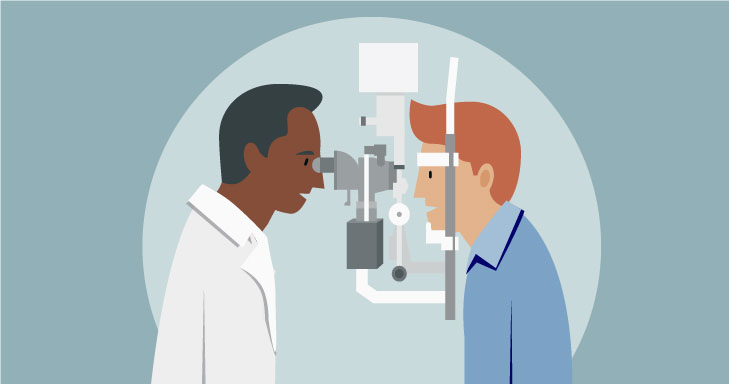
- Eye tests
- Hearing checks
- Bowel cancer screening
- Heart checks
- Mental health check-ins
- GP visits
- How health insurance can help you stay on top of checks
- Frequently asked questions
- Glossary
Skin checks
Kiwis love the sun. Unfortunately, the sun isn't always great to us back. New Zealand has one of the highest rates of melanoma in the world, with around 4,000 people diagnosed each year, according to Melanoma New Zealand.
Early detection makes a huge difference. Most skin cancers, including melanoma, are highly treatable when caught early — but progress quickly if left alone. A spot that looks like nothing can become serious in months.
How often to check
Mole Map and other skin cancer specialists generally recommend:
- Self-skin check — every three months. Look for new moles, or existing ones that have changed in size, shape, colour, or texture. The ABCDE rule helps: Asymmetry, Border irregularity, Colour variation, Diameter (over 6mm), and Evolution (any change over time).
- GP skin check — every six to twelve months, especially if you have fair skin, lots of moles, a family history of skin cancer, or have had significant sun exposure.
- Full body check with a skin cancer specialist or mole mapping service — every year if you're in a higher-risk group.
Some health insurance policies include benefits toward skin checks or mole mapping. It's worth checking your policy documents, or asking your insurer directly.
Dental checks
Dental care in New Zealand is largely user-pays once you're over 18, which is part of why so many adults put it off. But the long-term cost of skipping appointments tends to be much higher than the short-term cost of going.
Southern Cross has reported that by age 32, Kiwis who regularly see a dentist have better oral health, less tooth decay, and fewer lost teeth than those who don't.
Poor oral health is also linked to broader health issues. The mouth is a gateway to the rest of the body, and research has connected gum disease and untreated infections to coronary artery disease, pneumonia, complications in diabetes, and pregnancy complications.
How often to go
The New Zealand Dental Association recommends an annual check-up and clean at minimum. People with a history of gum disease, decay, or other dental issues may benefit from more frequent visits — your dentist will let you know.
Many health insurance policies include dental as an optional add-on, with benefits toward routine check-ups, cleans, fillings, and sometimes major work. If dental is something you'd value, it's worth checking what's available when you set up your health cover.
Cervical and breast cancer screening
Two of the most important screening programmes for women in New Zealand are cervical and breast cancer screening — and both are largely free.
Cervical screening
Around 150 women are diagnosed with cervical cancer in New Zealand each year, according to the Cancer Society of NZ. It's one of the most preventable cancers when caught early — regular screening can reduce the risk of developing cervical cancer by up to 90 per cent.
Since 2023, the standard cervical screening test in New Zealand has been the HPV (human papillomavirus) test, which can be done as a self-test (a swab you do yourself) or by a clinician. Routine screening is recommended every five years for people aged 25 to 69 with a cervix.
You can book a cervical screening through your GP, a family planning clinic, or a community health provider. More information is available at TimeToScreen.nz.
Breast cancer screening
Breast cancer is the most common cancer affecting Kiwi women, with around one in nine diagnosed during their lifetime. Mammograms are the main screening tool, and the BreastScreen Aotearoa programme offers free mammograms every two years for eligible women aged 45 to 69.
If you have a family history of breast cancer, your GP may recommend starting earlier or screening more often. It's worth having that conversation, especially if a close relative was diagnosed before age 50.
Health insurance can help you skip the public wait list and get specialist appointments, scans, and treatment faster. Compare options from New Zealand's leading insurers.
Compare quotesProstate and testicular checks
Men in New Zealand are statistically less likely than women to see their GP regularly, which is part of why some male-specific cancers are caught later than they could be.
Prostate
Prostate cancer is the most common cancer affecting Kiwi men, with around 4,000 new diagnoses each year. There isn't a national prostate screening programme — instead, decisions about prostate testing are typically made between you and your GP, based on age, family history, and symptoms.
The Ministry of Health suggests men aged 50 to 70 (or from 40 if there's a family history) have a conversation with their GP about whether a PSA blood test and digital rectal exam are right for them. The test isn't perfect, but it's the main tool currently available.
Testicular
Testicular cancer is most common in men aged 15 to 39 and is highly treatable when caught early. A simple monthly self-check — feeling for lumps, swelling, or changes — is the main recommended screening. If something feels off, see your GP.
Blood pressure checks
High blood pressure (hypertension) is sometimes called the "silent killer" because it usually has no obvious symptoms — you can have dangerously high readings and feel completely fine. Left untreated, it raises your risk of stroke, heart attack, kidney disease, and dementia.
The good news: checking blood pressure is fast, painless, and free at most GP visits. It's also offered at many pharmacies.
General guidance from the Heart Foundation is to have your blood pressure checked at least every two years from age 35, and annually from 45 (or 30 for Maori, Pasifika, and South Asian Kiwis, who are at higher risk of cardiovascular disease). If your reading is borderline or high, your GP will let you know how often to recheck.
Blood tests: cholesterol and blood sugar
A simple blood test can give you a lot of information about your heart, metabolic health, and risk of diabetes. Two of the most common tests are:
Cholesterol (lipid profile)
This measures levels of LDL ("bad") cholesterol, HDL ("good") cholesterol, and triglycerides. High LDL cholesterol increases your risk of heart attack and stroke, but it's straightforward to monitor and manage with lifestyle changes and, where needed, medication.
Blood glucose (HbA1c)
This measures your average blood sugar levels over the past three months. It can identify pre-diabetes — a stage where intervention can prevent or delay full Type 2 diabetes — and diagnose diabetes if it's already developed.
Untreated diabetes can affect your heart, eyes, kidneys, feet, and nerves, so catching it early matters. Diabetes NZ has more information on what the test involves and what the results mean.
The Heart Foundation recommends a cardiovascular risk assessment (which usually includes blood pressure, cholesterol, and blood glucose, plus a chat about lifestyle factors) every five years from age 30 for Maori, Pasifika, and South Asian Kiwis, and every five years from age 45 for everyone else. Higher-risk groups may need it more often.
Eye tests
One in four Kiwis under 25 and around two-thirds of those over 50 need some form of vision correction, according to Southern Cross. But an eye test does more than just check whether you need glasses — it can pick up early signs of cataracts, glaucoma, macular degeneration, and even diabetes and high blood pressure.
How often to get tested
- Adults under 60 with no eye issues — every two years.
- Adults over 60 — every year.
- People with diabetes — annually, including a diabetic retinal screen.
- People over 45 — consider asking about a macular degeneration and glaucoma check at your next eye appointment.
Some health insurance policies offer optical benefits as an add-on, covering eye tests, frames, and lenses up to a set limit. Your policy extras are worth a closer look.
Health insurance can include benefits for dental, optical, specialist visits, and more. See what's available across New Zealand's leading insurers.
Get a quoteHearing checks
Hearing tends to deteriorate gradually, so it's easy not to notice until family members start complaining about the TV volume. Untreated hearing loss is linked to social isolation, cognitive decline, and a higher risk of dementia later in life.
Adults are generally suggested to have a baseline hearing test around age 50, and every two to three years after that. If you work in a noisy environment, listen to music loudly through headphones, or have noticed any change in your hearing, get checked sooner. Many audiology clinics offer free basic hearing screens.
Bowel cancer screening
Bowel cancer is the second-leading cause of cancer death in New Zealand, after lung cancer. It also happens to be one of the most treatable cancers when caught early — survival rates are much higher when it's found before symptoms appear.
The free National Bowel Screening Programme sends a simple home test kit to eligible Kiwis aged 60 to 74 every two years. The test (a faecal immunochemical test, or FIT) is done at home and posted back. It looks for tiny amounts of blood in the stool that could indicate early-stage bowel cancer or pre-cancerous polyps.
If you have a family history of bowel cancer or experience symptoms — persistent change in bowel habits, blood in the stool, unexplained weight loss, ongoing tummy pain — see your GP regardless of age. You may need earlier or more frequent screening, including a colonoscopy. More information is at TimeToScreen.nz.
Heart checks
Cardiovascular disease is still the single biggest cause of death in New Zealand. The Heart Foundation's Heart Check is a free or low-cost assessment that combines several of the checks above — blood pressure, cholesterol, blood glucose, family history, lifestyle factors, and BMI — into a single picture of your overall heart health.
Recommended timing for a Heart Check (also called a cardiovascular risk assessment):
- Maori, Pasifika, and South Asian men — from age 30.
- Maori, Pasifika, and South Asian women — from age 40.
- All other men — from age 45.
- All other women — from age 55.
If you have a family history of early heart disease, your GP may suggest starting earlier. Heart Checks are typically every five years, or more often if your risk is elevated.
Mental health check-ins
Physical checks get most of the attention, but mental health is just as much a part of overall wellbeing. There isn't a formal screening programme for mental health in the same way there is for cervical or bowel cancer, but a regular check-in with your GP — or just an honest moment of self-reflection — can pick up early signs of anxiety, depression, burnout, or other concerns.
If something feels off, your GP can help. Free services are also available, including:
- 1737 — call or text to talk with a trained counsellor, free, 24/7.
- Healthline — 0800 611 116 for general health advice including mental health.
- Lifeline — 0800 543 354.
Some health insurance policies include mental health benefits, such as cover for psychiatric care, counselling, or therapy. The specifics vary widely between insurers, so check your policy if mental health support is something you'd value.
GP visits
How often you see your GP depends on your age, health status, and family history.
- Young and healthy adults — every two to three years for a general check-up is often enough, in addition to seeing your GP when something specific comes up.
- Adults with ongoing conditions, or aged 50+ — yearly check-ups are common, more often if a condition needs monitoring.
- Anyone managing a chronic condition (diabetes, asthma, heart disease) — follow the schedule your GP recommends.
The most important thing is having a GP you trust and seeing them when something doesn't feel right — not waiting it out. Annual check-ups are also a chance to update vaccinations, review medications, and discuss screening options that might be relevant for your age and circumstances.
Worried about wait times for specialists or scans? Private health insurance gives you faster access when you need it most.
Compare and get quotesHow health insurance can help you stay on top of checks
Health insurance in New Zealand isn't just there for when something goes wrong — many policies actively support preventive care. Depending on the insurer and plan, your cover might include:
- Specialist consultations and diagnostics — faster access to specialists, scans, and tests when something's flagged at a check-up.
- GP visit contributions — some policies contribute toward routine GP costs.
- Optical and dental add-ons — annual benefits toward eye tests, glasses, dental check-ups, and basic dental work.
- Mental health benefits — cover toward counselling or psychiatric care, on some policies.
- Wellness rewards — discounts on gym memberships, health screenings, and lifestyle programmes through some insurers.
- Cancer cover — including faster access to surgery, treatment, and (on some policies) non-PHARMAC funded medicines.
The mix of benefits varies a lot between insurers and plans — there's no single best policy, just the one that fits your situation. Comparing options across multiple insurers is the easiest way to see what's available at what price. LifeDirect's quote compare tool is a good place to start, and our team is happy to talk through your options.
For more on what's covered (and what isn't), see our guide to health insurance and what NZ health insurance doesn't cover.
Ready to see what health cover would cost you? Compare quotes from New Zealand's leading insurers in under 60 seconds.
Get QuotesFrequently asked questions
How often should I have a full health check-up?
It depends on your age and health. Young, healthy adults are often suggested to have a general GP check every two to three years. From age 45–50, an annual check-up becomes more common, and people managing chronic conditions follow whatever schedule their GP recommends.
Are health checks free in New Zealand?
Some are free, some aren't. Cervical screening, breast cancer screening (for eligible age groups), bowel cancer screening (60–74), and Heart Checks through the Heart Foundation are free or low-cost. GP visits, dental, optical, and skin checks usually involve a fee, although health insurance can offset some of these costs.
Does health insurance cover preventive checks?
It depends on the policy. Many health insurance plans include benefits toward GP visits, dental, optical, and specialist consultations as optional add-ons. Some insurers also offer discounts on gym memberships, wellness programmes, and screening tests. Check your policy documents or compare options to see what's included.
What is the ABCDE rule for checking moles?
It's a guide for self-checking moles: Asymmetry (one half doesn't match the other), Border (irregular or blurred edges), Colour (uneven or multiple colours), Diameter (larger than 6mm), and Evolution (any change over time). If a mole ticks any of these boxes, get it checked by a GP or skin specialist.
What's the difference between a self-skin check and mole mapping?
A self-skin check is something you do at home every few months, looking for new or changing moles. Mole mapping is done by a skin cancer specialist, who photographs and documents all moles across your body so changes can be tracked precisely over time. People at higher risk of skin cancer often combine both.
Is cervical screening still done as a smear test?
Not anymore. Since 2023, the standard cervical screening test in New Zealand is an HPV test, which can be done as a self-swab or by a clinician. It's more accurate than the older smear test, and is offered every five years for people aged 25 to 69.
At what age does the free bowel cancer screening programme start?
The National Bowel Screening Programme is free for Kiwis aged 60 to 74. Eligible people are sent a home test kit every two years. If you're outside this age range and have symptoms or a family history of bowel cancer, talk to your GP — earlier screening may be appropriate.
How often should I get my blood pressure checked?
The Heart Foundation suggests at least every two years from age 35, and annually from 45. Maori, Pasifika, and South Asian Kiwis are generally suggested to start earlier (from 30). If your blood pressure has been high or borderline, your GP will recommend a more frequent schedule.
Can I get a Heart Check for free?
Many GPs offer cardiovascular risk assessments at no or low cost, particularly through community health initiatives. The Heart Foundation also runs free Heart Check events around the country at various times of year — their website lists upcoming locations.
What's a normal cholesterol level?
Cholesterol targets vary depending on your overall cardiovascular risk profile, so there isn't a single "normal" figure that applies to everyone. Your GP looks at your total cholesterol, LDL, HDL, and triglycerides together, alongside your blood pressure, age, family history, and lifestyle, to give you a clearer picture.
Should men get prostate checks even without symptoms?
This is something to discuss with your GP. The Ministry of Health suggests men aged 50 to 70 (or from 40 with a family history) have a conversation about whether a PSA test and physical exam are appropriate for them. The test has limitations, so it's not a routine screen the way cervical or bowel testing is.
How often should I see the dentist if I have no problems?
The New Zealand Dental Association recommends at least one check-up and clean per year for adults with no current dental issues. People with a history of gum disease, decay, or other concerns may benefit from more frequent visits.
Does health insurance pay for cancer screening?
Some cancer screenings are publicly funded and free (cervical, breast, bowel for eligible age groups), so health insurance isn't typically needed for those. However, health insurance can help with faster access to specialists, diagnostic scans, and treatment if something is flagged, and some policies include benefits toward skin checks or other private screenings.
Can I get health insurance if I already have a health condition?
Yes — health insurance is still possible with a pre-existing condition, though the specific condition may be excluded from cover, or be subject to a stand-down period. Each insurer handles this differently, which is why comparing options is useful.
What does "free for eligible women" mean for breast screening?
BreastScreen Aotearoa offers free mammograms every two years to women aged 45 to 69 who meet eligibility criteria (which include New Zealand residency and not having recent breast cancer treatment). If you're outside that age range, you can still have a mammogram, but it usually has a cost.
How can I make sure I actually get to all my check-ups?
Many people find it useful to book the next appointment before leaving the current one, set calendar reminders for annual screenings, or use the recall systems most GPs run (where the clinic contacts you when you're due). Some insurers also send reminders for benefits you can use under your policy.
Glossary
| Term | What it means |
|---|---|
| ABCDE rule | A self-check guide for moles: Asymmetry, Border, Colour, Diameter, Evolution. |
| BreastScreen Aotearoa | New Zealand's free national breast cancer screening programme for eligible women aged 45–69. |
| Cardiovascular risk assessment | A combined assessment of blood pressure, cholesterol, blood sugar, family history, and lifestyle to estimate the risk of heart disease and stroke. |
| Cervical screening | A test (now an HPV test in NZ) that checks for changes in the cells of the cervix that could lead to cancer. |
| FIT test | Faecal immunochemical test — a home test used by the National Bowel Screening Programme to detect small amounts of blood in the stool. |
| HbA1c | A blood test that measures average blood sugar levels over the past three months, used to diagnose pre-diabetes and diabetes. |
| HDL cholesterol | "Good" cholesterol — higher levels are protective for heart health. |
| HPV | Human papillomavirus — the virus that causes most cervical cancer. NZ's cervical screening test now looks for HPV directly. |
| Hypertension | Persistently high blood pressure, which raises the risk of stroke, heart attack, and kidney disease. |
| LDL cholesterol | "Bad" cholesterol — high levels increase the risk of heart disease and stroke. |
| Mammogram | An X-ray of the breast used to detect early signs of breast cancer. |
| Melanoma | The most serious form of skin cancer. Highly treatable when caught early. |
| Mole mapping | A service offered by skin cancer specialists that photographs and documents moles across the body so changes can be tracked over time. |
| PSA test | Prostate-specific antigen — a blood test used as part of prostate health screening in some men. |
| Pre-existing condition | A health condition you have (or have had signs of) before taking out an insurance policy. May affect cover. |
Like to talk?
Health insurance can help you stay ahead of your wellbeing, with faster access to treatments, diagnostics, and specialists when you need them.
If you're looking for cover, our quote compare tool is a good place to start — but we're also real people, and we're just a phone call away. Call us on 0800 800 400, start a Live Chat, or fill in our contact form to get in touch with our team.
Disclaimer: Please note that the content provided in this article is intended as an overview and as general information only. While care is taken to ensure accuracy and reliability, the information provided is subject to continuous change and may not reflect current development or address your situation. Before making any decisions based on the information provided in this article, please use your discretion and seek independent guidance.